Accepted materials
What We Recycle
Clear guidelines for mixed recycling and source-separated programs—so your team recycles right and keeps contamination low.
Accepted in Mixed Recycling
Use one bin for the most common workplace recyclables. Keep items empty, clean, and dry.
Paper
Office paper, envelopes (windows OK), flyers, and magazines.
Cardboard
Flattened boxes and corrugated packaging. Remove liners when possible.
Cartons
Milk/juice cartons and aseptic cartons—rinsed and empty.
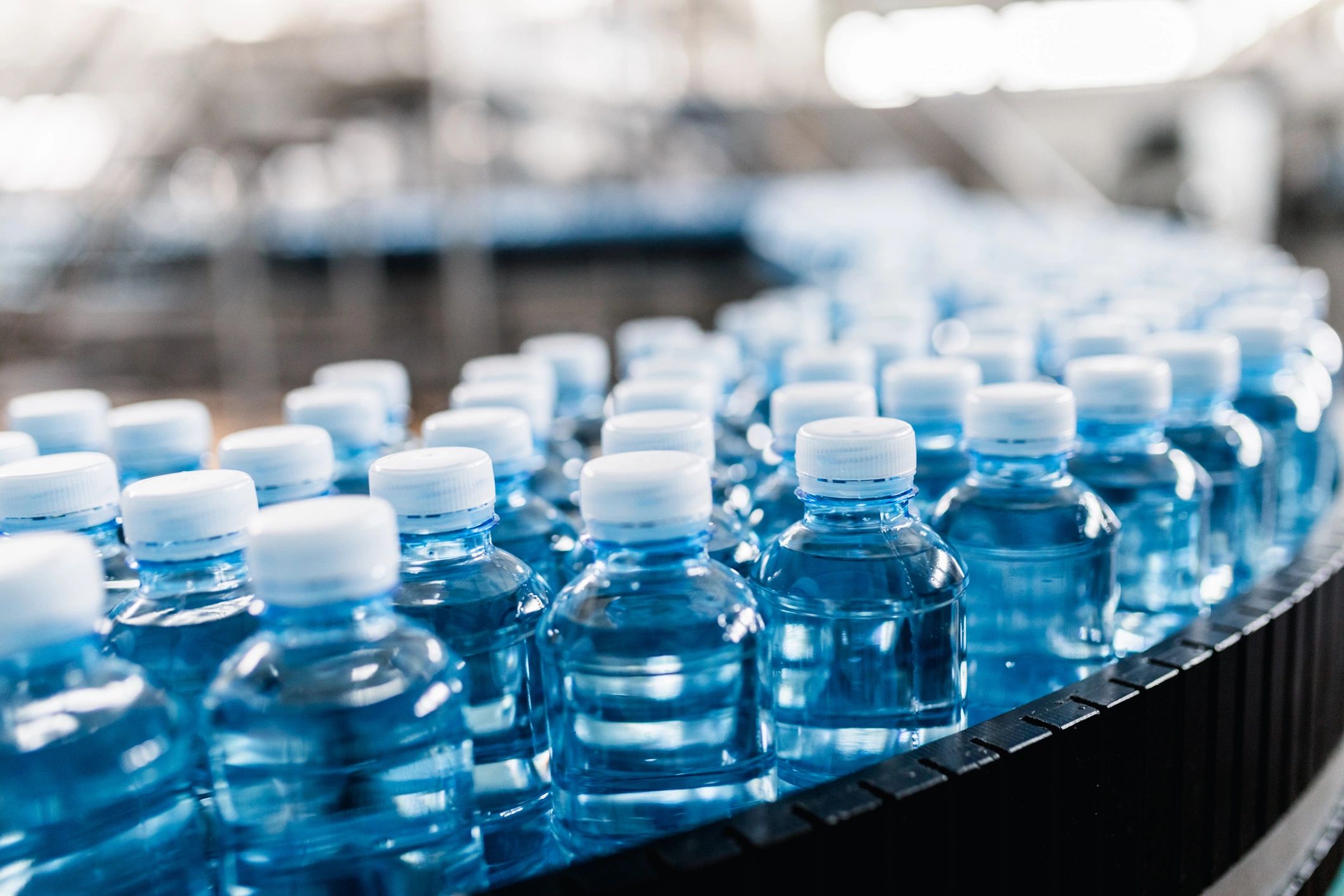
Plastic Bottles
Beverage bottles and jugs. Replace caps after emptying.
Plastic Containers
Tubs, clamshells, and food containers—rinsed and dry.
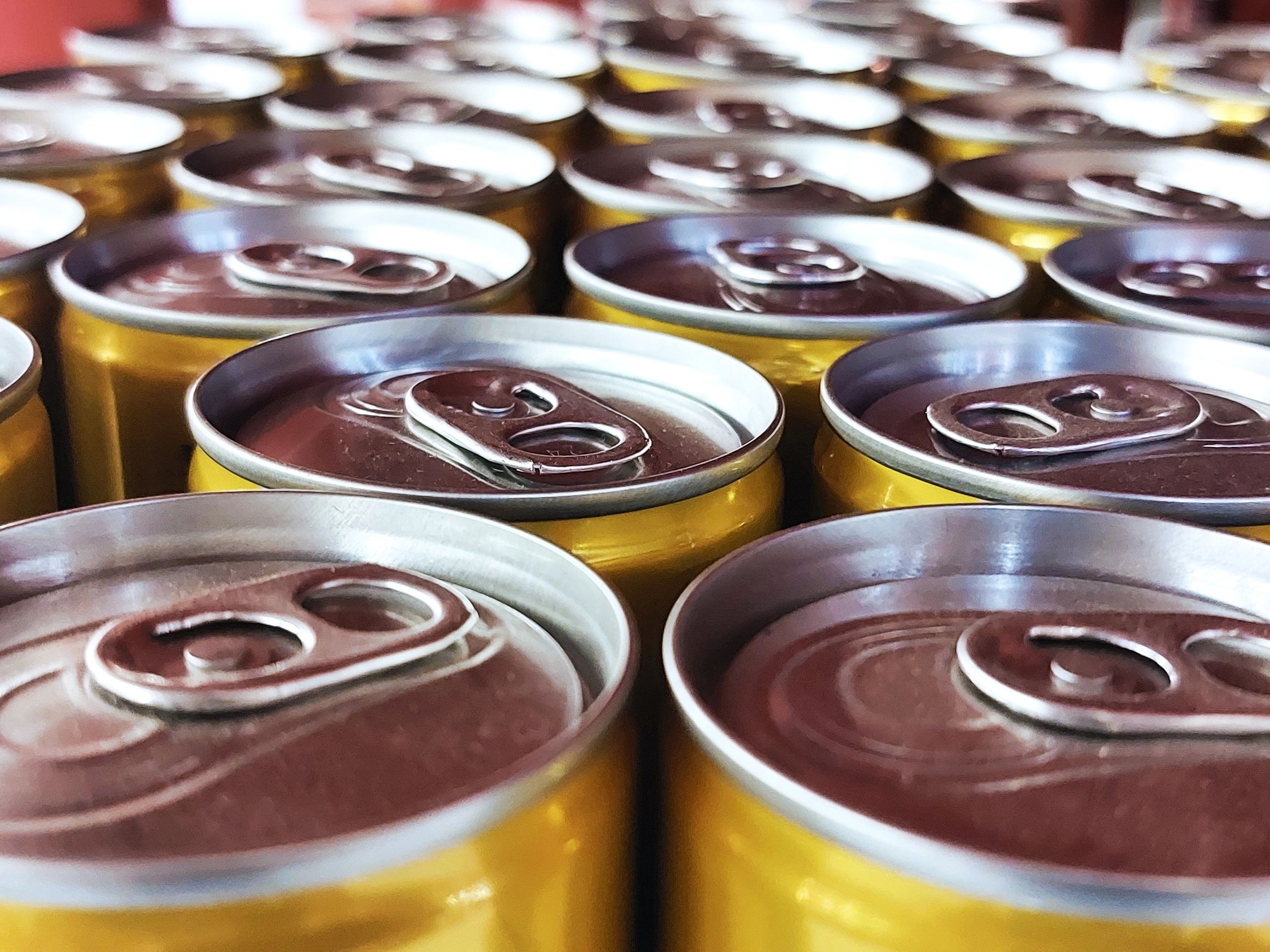
Aluminum Cans
Soda and sparkling water cans—empty and dry.
Steel/Tin Cans
Food cans—rinsed with labels left on.
Clean Foil
Clean aluminum foil and trays (no food residue).
Best practices
Prep items the right way

Source separation
Accepted in 3-bin programs
Prefer clearer sorting? Choose separate Paper, Plastic, and Metal bins for easier training and lower contamination.
Paper bin
Office paper, mail, magazines, paper bags, and (if clean) paperboard like cereal boxes.
Cardboard bin
Corrugated boxes and kraft packaging. Flatten and keep dry.
Plastic bin
Bottles, jugs, tubs, and clamshells—rinsed and dry. No plastic film or bags.
Metal bin
Aluminum and steel cans, clean foil, and empty metal containers.
Not Accepted
These items commonly contaminate loads or require special handling. When in doubt, ask—don’t guess.
Plastic bags & film
Grocery bags, shrink wrap, bubble wrap, and film packaging.

Food & liquids
Leftover food, greasy items, and containers with liquid.

Styrofoam
Foam cups, takeout containers, and packing peanuts.
Glass (if restricted)
Some programs restrict glass—confirm your site’s setup.
Hazardous waste
Batteries, chemicals, paint, and medical sharps.
E-waste
Computers, monitors, cords, and small electronics.